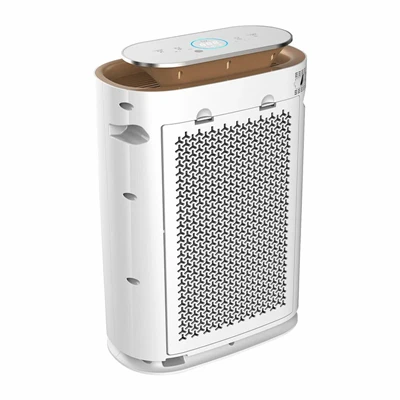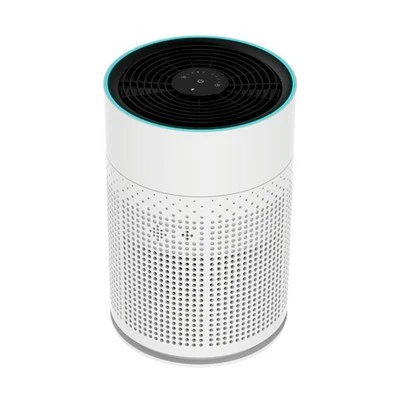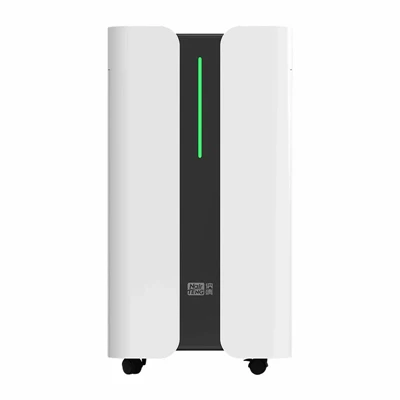
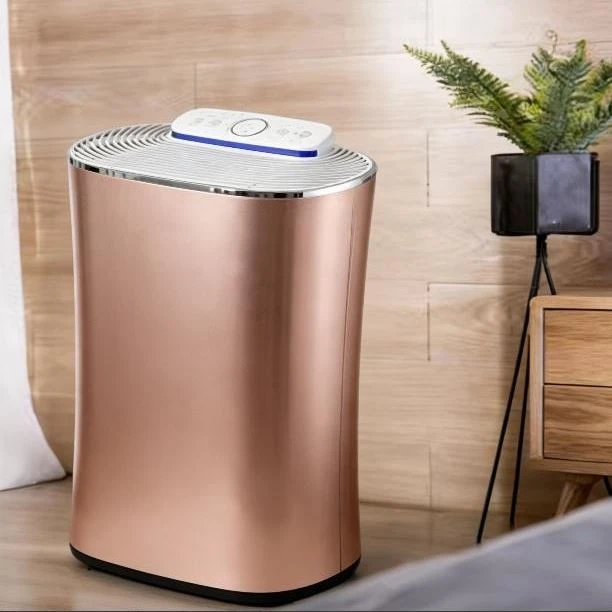
Air purifier for home with pets
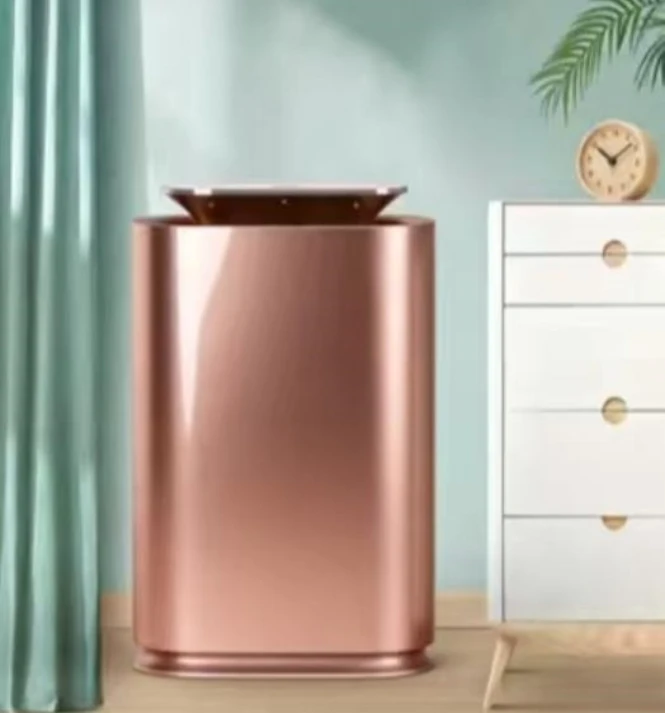
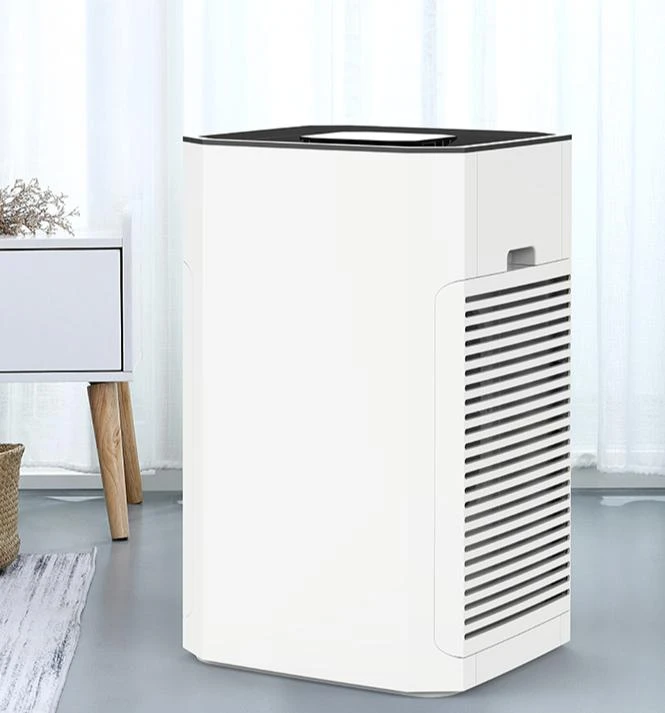
The Nairteng pet air purifier effectively removes airborne hair and pathogens, helping to maintain a healthy home environment. Many pet-owning households today struggle with a range of indoor air quality issues-such as floating pet hair, fine dander, odors from litter boxes, and smells from pet waste-which are difficult to clear away through ventilation alone. Furthermore, as pets groom themselves, move around, or stir up litter, they can release aerosols containing pathogens and microorganisms, posing significant health risks to humans.
While traditional air purifiers equipped with HEPA filters struggle to fully address these challenges, our pet-specific air purifier-powered by triboelectric nanogenerator (TENG) technology-is a high-performance solution engineered precisely for homes with pets.
Let's first look at the differences between these types of purifiers:
Most mainstream air purification solutions currently on the market rely primarily on either physical HEPA filtration or high-voltage electrostatic precipitation-both of which come with notable drawbacks.
1. Limited filtration capability: HEPA filters cannot effectively capture viral particles smaller than 0.3 μm that spread via aerosols (coronaviruses, for instance, are approximately 0.1 μm in size). European, American, and domestic (Chinese) standards do not certify HEPA filters as effective for capturing particles smaller than 0.3 μm.
2. Risk of secondary pollution: Dust and pathogens accumulate on the surface of HEPA filter media. If the filter becomes damp, it can foster the growth of microorganisms, which are then dispersed back into the air, causing secondary indoor pollution.
3. High long-term operating costs: HEPA filters are consumables; typically, 2–3 filter replacements are required annually, leading to significant long-term expenditure.
4. High noise levels and energy consumption: Due to the high air resistance of HEPA filters, fans must operate under heavy loads, resulting in increased noise and higher energy consumption.
5. Additional risks: Technologies such as high-voltage electrostatic precipitation, plasma, ultraviolet (UV) light, and ozone generation carry safety hazards-including ozone leakage, electrical arcing, UV radiation exposure, and the inability for humans to safely occupy the space while the systems are in operation.
This air purifier, designed for homes with pets, effectively addresses several key pain points.
Core performance features of the Nairteng triboelectric nanotech purification system:
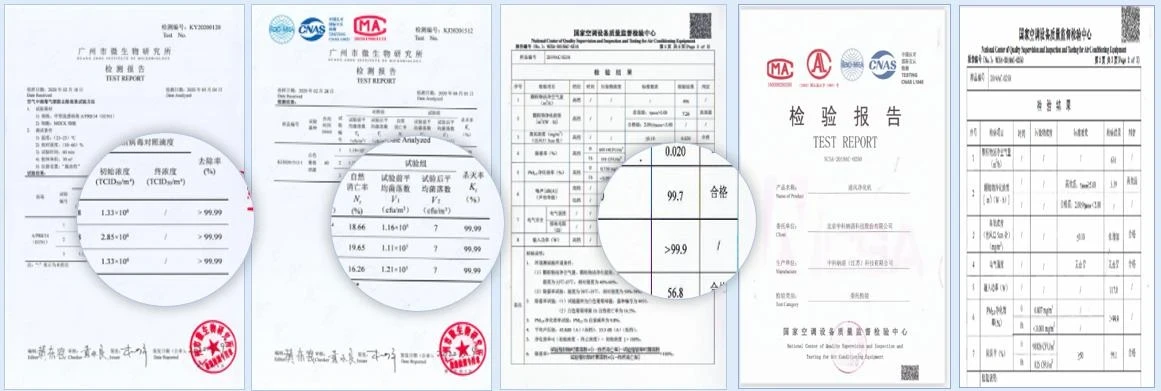
·1. Virus and bacteria elimination rate: ≥99.99%
·2. Single-pass filtration efficiency for particles ranging from PM0.01 to PM10: ≥95%
·3. Continuous release of negative oxygen ions: >100 million per cubic centimeter per minute
·4. Effective removal of gaseous pollutants, such as formaldehyde
·5. Low air resistance, zero ozone generation, washable and reusable, and no ongoing costs for replacement consumables
Why is it crucial to pay attention to ultrafine particles smaller than 0.3 microns?
While many people focus primarily on PM2.5 and PM10, the true high-risk threat comes from ultrafine particles below 0.3 μm:
·Most viral particles fall within the 0.015–0.4 μm size range-a range that is difficult for conventional HEPA filters to capture effectively.
·More than 90% of the ultrafine particles present in the air are smaller than 0.3 microns.
·Particles of 0.1 microns (PM0.1) or smaller can penetrate the alveoli, enter the bloodstream, and are extremely difficult for the body to eliminate, posing long-term health risks.
HEPA Air Filtration Technology:
It is unable to filter or purify "viral particles" (such as coronaviruses, which are approximately 0.1 microns in size) that are smaller than 0.3 microns and carried by aerosols-including particulate matter (PM0.1–PM0.01 µm) capable of penetrating into blood vessels.
European, American, and national standards do not state that HEPA technology is effective at filtering particles smaller than 0.3 microns.
|
EU Standard Grade EN799 Class |
ASTM Grade |
National Standard |
0.3 micrometer |
0.3-1.0 micrometer |
1.0-3.0 micrometer |
3.0-10 micrometer |
Initial resistance(2m/s) |
Filter Material Type |
|
G4 |
MERV6 |
Coarse-efficiency |
0 |
/ |
/ |
35%-49% |
45-60Pa |
Pollen, dust mites, settled dust, sneezing |
|
F9 |
MERV16 |
Medium-to-high efficiency |
0 |
95% or higher |
90% or higher |
90% or higher |
110-150Pa |
Bacteria, smoke, sneezes |
Triboelectric nanonurification technology is specifically optimized for such ultrafine viral particles. Testing shows a consistent single-pass purification efficiency of over 98% for particles in the 0.01μm–0.3μm range.
|
Particle size distribution |
0.01μm |
0.05μm |
0.1μm |
0.15μm |
0.2μm |
0.25μm |
0.3μm |
|
Single-pass purification efficiency |
98.20% |
98.12% |
98.88% |
98.17% |
98.83% |
98.80% |
98.93% |
A Comparative Analysis of Various Air Disinfection and Purification Technologies
According to technical materials provided by Professor Wu Jixiang-featured in the "Lectures on Indoor Purification, Disinfection, and Sterilization Technologies in China," organized by the Purification Committee of the China Construction Industry Association (CCIA)-triboelectric technology stands out for its comprehensive advantages:
|
Purification Parameter |
HEPA Filtration |
Flat Electrostatic |
Triboelectric |
Plasma |
UV |
Photocatalysis |
Ozone |
|
Disinfection Mechanism |
Interception & Separation / Bacteria Removal |
Coulomb Force Separation / Inactivation |
Coulomb Force Separation / Inactivation |
Molecular Breaking / Inactivation |
Cell Wall Disruption & Inactivation |
Polarization Inactivation |
Cell Wall Disruption & Inactivation |
|
Performance: Single-pass Bacteria Removal Efficiency |
Highest |
High |
≥95% |
Second-highest |
Medium |
Medium |
Low |
|
Performance: Single-pass Dust Removal Efficiency |
Highest |
Medium |
≥95% |
Medium |
N/A |
N/A |
N/A |
|
HVAC Application: Fan Coil Unit |
Not Applicable |
Applicable |
Applicable |
Applicable |
Applicable |
Applicable |
Not Applicable |
|
HVAC Application: Air Handling Unit |
Applicable |
Applicable |
Applicable |
Applicable |
Applicable |
Applicable |
Not Applicable |
|
Air Resistance |
High |
Low |
Relatively Low |
Relatively Low |
Low |
Relatively Low |
Low |
|
Allowable Humidity RH% |
≤90 |
Any |
Any |
Any |
≤70 |
≤70 |
≥70 |
|
Safety |
Safe |
Risk of sparking & ozone emission |
Safe |
Risk of ozone & intermediate by-products |
Risk of UV leakage & ozone |
Risk of ozone & intermediate by-products |
Not for human occupancy; strong oxidizing property |
|
Consumables |
Many |
None |
None |
None |
Few |
More |
Many |
|
Size |
Small |
Medium |
Small |
Medium |
Small |
Small |
Small |
|
Energy Consumption |
High |
Medium |
Low |
Medium |
Medium |
Medium |
N/A |
|
Price (Initial Investment) |
Relatively Low |
Medium |
Medium |
High |
Low |
Low |
Medium |
Comparison for reference:
HEPA: Uses interception-based filtration; characterized by high air resistance, significant consumption of filter media, and high energy consumption; unsuitable for integration with fan coil units.
·Flat-plate electrostatic: Requires no consumables, but carries risks of electrical arcing and ozone generation.
·Plasma: Carries risks of ozone and other by-product generation.
·Ultraviolet (UV): Poses a risk of UV leakage; effectiveness diminishes in high-humidity environments.
·Photocatalysis: Carries a risk of ozone by-product generation.
·Ozone: Cannot be used in the presence of humans; highly oxidizing; cannot be integrated into air conditioning systems.
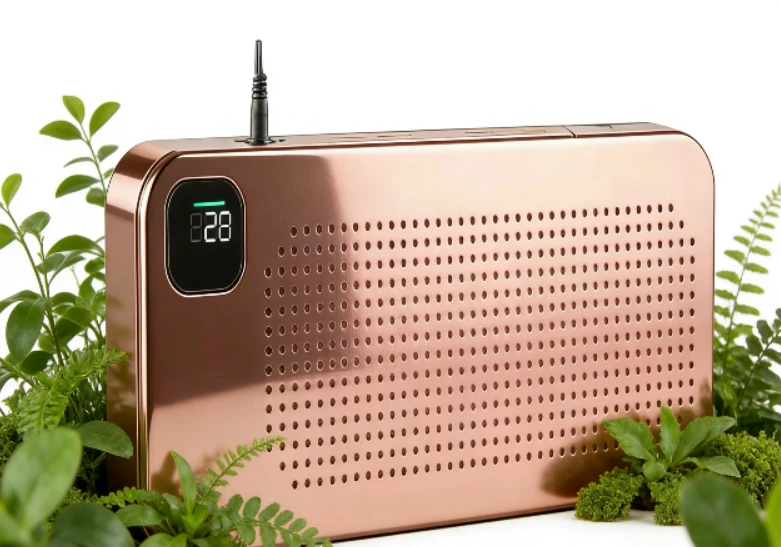
Leveraging the scientific research expertise of the Beijing Institute of Nanoenergy and Nanosystems (under the Chinese Academy of Sciences), Nairteng possesses core, proprietary technology based on triboelectric nanogenerators. The company maintains a fully integrated, closed-loop operational model-encompassing R&D, manufacturing, and project implementation-that distinguishes it from conventional filtration or ionization-based purification methods. Its technology delivers highly efficient air purification and pathogen elimination without generating ozone; furthermore, the filter elements are washable and reusable, eliminating the need for recurring consumable replacements.

Backed by its own pilot-testing facility and a professional R&D and testing team, Nairteng offers flexible, customized solutions tailored to the specific air-quality challenges of diverse environments. From initial on-site assessment and system design to equipment procurement, installation, commissioning, and long-term operation and maintenance, Nairteng provides comprehensive, one-stop air quality solutions. These systems effectively address a wide range of pollutants-including particulate matter, aerosols, and pathogens-ensuring a consistent and reliable supply of clean air for settings such as hospitals, cleanrooms, and commercial public spaces.
Frequently Asked Questions
Request a Quote & Engineering Support
To receive a technical proposal and quotation tailored to your airflow and emission requirements, please provide the following details to our application engineering team:
• Target airflow rate (CFM or m3/h)
• Primary pollutants or chemical compounds to be removed
• Operating temperature and relative humidity
• Ductwork connection specifications and voltage requirements
[Submit RFQ / Download CAD Files / Contact Application Engineer]
Hot Tags: air purifier for home with pets, China air purifier for home with pets manufacturers, suppliers, factory, air purifier for smoking room, anti dust air purifier, best air purifier for mold and mildew, hepa air purifier, no filter air purifier, portable air filter home