


As a dedicated supplier of smart room air disinfection machines, I've frequently encountered the question: Can a smart room air disinfection machine be used in a nursing home? This topic is not only pivotal for the well - being of the elderly in nursing homes but also relevant to the overall effectiveness of air quality management in such facilities. In this blog, I'll delve into the feasibility, advantages, and considerations of using these machines in nursing homes.

Understanding the Air Quality Challenges in Nursing Homes
Nursing homes are environments where the inhabitants are often more vulnerable to health issues. The elderly generally have weaker immune systems, making them more susceptible to airborne diseases such as influenza, pneumonia, and COVID - 19. Additionally, factors like poor ventilation in some older nursing home buildings can lead to the accumulation of harmful substances in the air.
The air in nursing homes may also contain pollutants such as dust, allergens from bedding or cleaning products, and volatile organic compounds (VOCs) emitted from paints and plastics. Moreover, the presence of multiple individuals in a relatively confined space can result in an increased concentration of carbon dioxide, which can cause drowsiness and reduced cognitive function. All these factors highlight the critical need for effective air disinfection and purification in nursing homes.
The Role of Smart Room Air Disinfection Machines
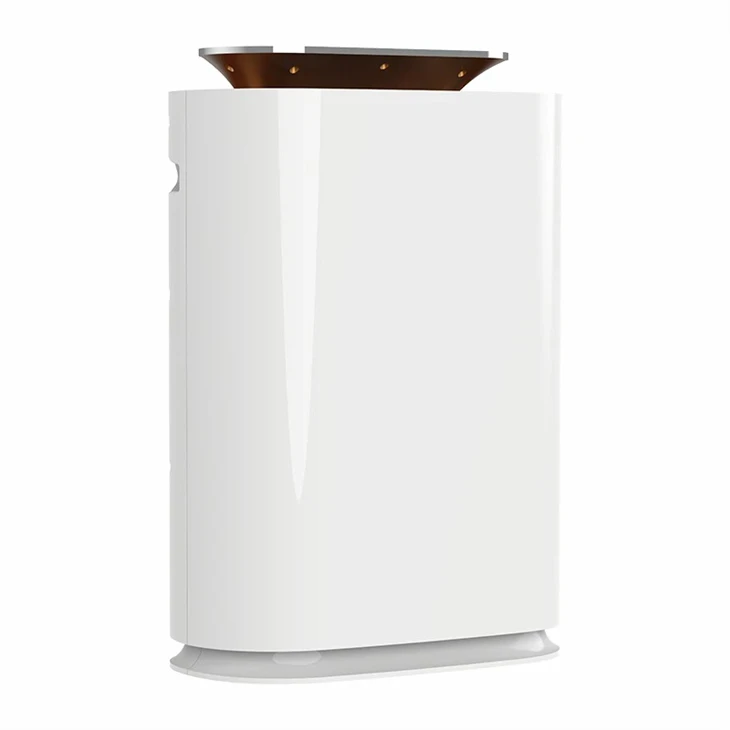
Smart room air disinfection machines are designed to remove or neutralize a wide range of airborne contaminants. They are equipped with advanced technologies that can be highly beneficial in a nursing home setting.
Airborne Pathogen Removal
These machines use various methods such as ultraviolet germicidal irradiation (UVGI), photocatalytic oxidation (PCO), and high - efficiency particulate air (HEPA) filters to eliminate bacteria, viruses, and fungi from the air. For example, HEPA filters can capture particles as small as 0.3 microns with a high efficiency, including many airborne pathogens. This significantly reduces the risk of infectious diseases spreading among the elderly residents.
Odor and VOC Removal
In a nursing home, unpleasant odors can be a major concern. Smart air disinfection machines can also help with odor removal. Some models are specifically designed for this purpose, like the Odor Removal Disinfection Machine. These machines use activated carbon filters or other odor - absorbing technologies to break down and remove foul - smelling compounds and VOCs from the air, creating a more pleasant and healthy living environment.
Customization and Automation
Smart technology allows these air disinfection machines to be customized according to the specific needs of the nursing home. They can adjust their operation based on factors such as air quality sensors that detect the concentration of pollutants in real - time. This ensures that the machines work efficiently, saving energy while maintaining optimal air quality. For instance, if the air quality sensors detect a high level of dust or pathogens, the machine can automatically increase its purification and disinfection intensity.
Advantages of Using Smart Air Disinfection Machines in Nursing Homes
Health Benefits
The most obvious advantage is the improvement of the health of the residents. By reducing the concentration of airborne pathogens, the risk of respiratory and other infectious diseases is greatly diminished. This not only enhances the quality of life of the elderly but also reduces the burden on the nursing home staff in terms of caring for sick residents.
Comfortable Living Environment
A well - disinfected and purified air environment is more comfortable for the residents. It reduces the presence of dust, allergens, and unpleasant odors, making the living spaces in the nursing home more inviting and pleasant. This can have a positive impact on the mental well - being of the elderly, as they are more likely to feel at ease in a clean and fresh - smelling environment.
Cost - Effectiveness
In the long run, using smart air disinfection machines can be cost - effective. By preventing the spread of diseases, the nursing home can save on medical costs associated with treating sick residents. Additionally, the energy - saving features of smart machines mean lower electricity bills compared to traditional air - purifying methods.
Considerations Before Using Smart Air Disinfection Machines
Noise Level
Since nursing homes are places where the elderly rest and sleep, the noise level of the air disinfection machines is an important consideration. Loud machines can disrupt the sleep and rest of the residents, causing discomfort and even stress. When selecting a machine, it's crucial to choose one with a low noise output, or at least one that can operate quietly during nighttime hours.
Installation and Maintenance
Proper installation is essential to ensure the effectiveness of the air disinfection machine. It may require the expertise of a professional to ensure that the machine is placed in the right location and connected correctly. Additionally, regular maintenance is necessary to keep the machine running efficiently. Filters need to be replaced regularly, and the internal components may need to be cleaned periodically.
Compatibility with Existing Systems
Nursing homes may already have existing ventilation, heating, and cooling systems. When introducing smart air disinfection machines, it's important to ensure that they are compatible with these existing systems. This ensures that the overall air - handling system in the nursing home functions harmoniously and effectively.
Types of Smart Air Disinfection Machines Suitable for Nursing Homes
There are several types of smart air disinfection machines that can be suitable for nursing homes, each with its own features and benefits.
Formaldehyde Removal Air Purifier
As mentioned earlier, formaldehyde is a common VOC that can be present in nursing home buildings due to the use of certain building materials and furniture. A formaldehyde removal air purifier specifically targets this pollutant, using activated carbon and other chemical filtration methods to remove formaldehyde from the air.
Electrostatic Air Purifier
Electrostatic air purifiers work by charging airborne particles and then attracting them to a collection plate. This technology is effective at capturing a wide range of particles, including dust, pollen, and some bacteria. They are often energy - efficient and can operate quietly, making them a good choice for nursing homes.
Air Purifiers For Bacteria And Viruses
These machines are designed specifically to target and eliminate bacteria and viruses from the air. They use a combination of technologies such as UVGI and HEPA filters to ensure a high - level of disinfection. This is particularly important in a nursing home setting where the risk of infectious diseases is relatively high.
Pet Air Disinfection Machine
If a nursing home allows pets, a pet air disinfection machine can be beneficial. These machines can remove pet dander, hair, and odors from the air, improving the overall air quality in the facility.
Conclusion
In conclusion, a smart room air disinfection machine can and should be used in a nursing home. The health benefits, comfort improvements, and long - term cost - effectiveness make it a valuable addition to any nursing home's air - management strategy. However, it's important to carefully consider factors such as noise level, installation, maintenance, and compatibility with existing systems when selecting a machine.
If you are a nursing home administrator or decision - maker considering the purchase of a smart room air disinfection machine, I encourage you to contact us for more information. We can provide detailed product specifications, guidance on selection, and support for installation and maintenance. Let's work together to create a healthier and more comfortable living environment for the elderly in nursing homes.
References
- World Health Organization. Guidelines for indoor air quality.
- American Society of Heating, Refrigerating and Air - Conditioning Engineers. Standards for ventilation and air quality in healthcare facilities.


