


As a leading supplier of air disinfection machines, I am often asked whether our machines can be used in a library. The answer is a resounding yes, and in this blog, I will explore the reasons why air disinfection machines are not only suitable but also highly beneficial for libraries.
The Need for Air Disinfection in Libraries
Libraries are public spaces that attract a large number of visitors daily. These visitors bring in various contaminants, including bacteria, viruses, fungi, and dust particles, which can accumulate in the air. Additionally, the presence of books, which can harbor mold and dust mites, further contributes to poor air quality. Poor air quality in libraries can lead to a range of health issues for both visitors and staff, such as allergies, respiratory problems, and the spread of infectious diseases.
In recent times, the importance of maintaining clean and healthy air has become even more crucial, especially in the wake of the COVID - 19 pandemic. Libraries, like other public spaces, need to take proactive measures to ensure the safety and well - being of their patrons. This is where air disinfection machines come into play.
How Air Disinfection Machines Work
Air disinfection machines use a variety of technologies to clean and disinfect the air. Some common technologies include ultraviolet germicidal irradiation (UVGI), photocatalytic oxidation (PCO), and high - efficiency particulate air (HEPA) filtration.
UVGI technology uses ultraviolet light to destroy the DNA and RNA of microorganisms, preventing them from reproducing. This effectively kills bacteria, viruses, and fungi in the air. PCO technology uses a catalyst and ultraviolet light to break down harmful pollutants and odors into harmless substances. HEPA filters, on the other hand, are designed to trap small particles, such as dust, pollen, and smoke, with an efficiency of up to 99.97%.
Benefits of Using Air Disinfection Machines in Libraries
1. Improved Air Quality
By removing harmful contaminants from the air, air disinfection machines can significantly improve the air quality in libraries. This creates a more comfortable and healthy environment for visitors and staff, reducing the risk of respiratory problems and allergies.
2. Prevention of Disease Spread
In a library setting, where people are in close proximity to each other, the spread of infectious diseases can be a major concern. Air disinfection machines can help reduce the concentration of airborne pathogens, thereby minimizing the risk of disease transmission.
3. Preservation of Library Materials
Books and other library materials are often susceptible to damage from mold and dust mites. Air disinfection machines can help control the humidity and remove dust and mold spores from the air, protecting these valuable materials from deterioration.
4. Enhanced User Experience
A clean and healthy environment in the library can enhance the overall user experience. Visitors are more likely to spend time in a library that has fresh and clean air, which can lead to increased patronage and a more positive perception of the library.
Types of Air Disinfection Machines Suitable for Libraries
Smart Room Air Disinfection Machine
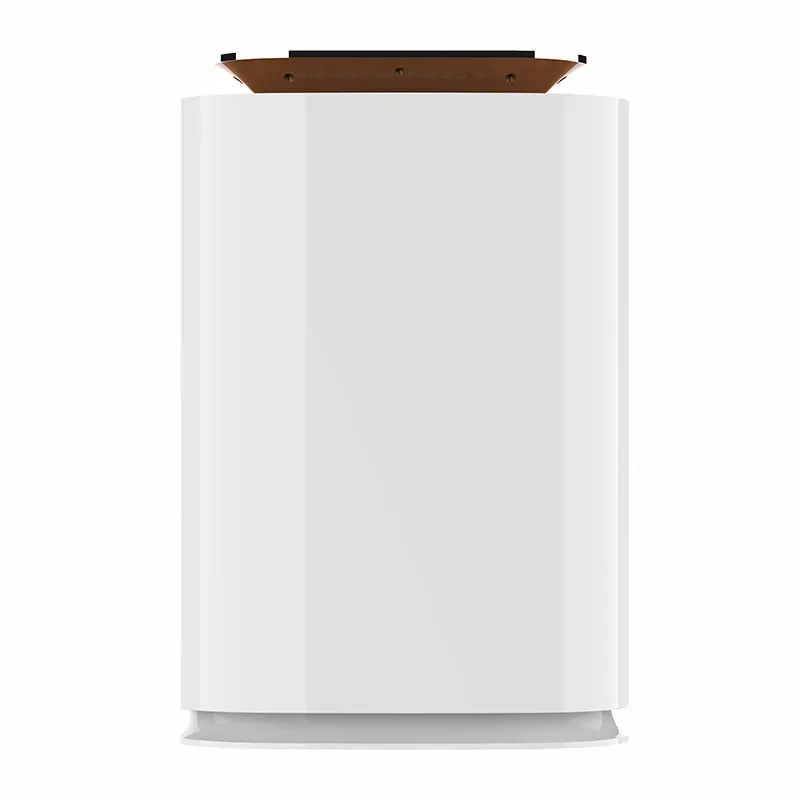
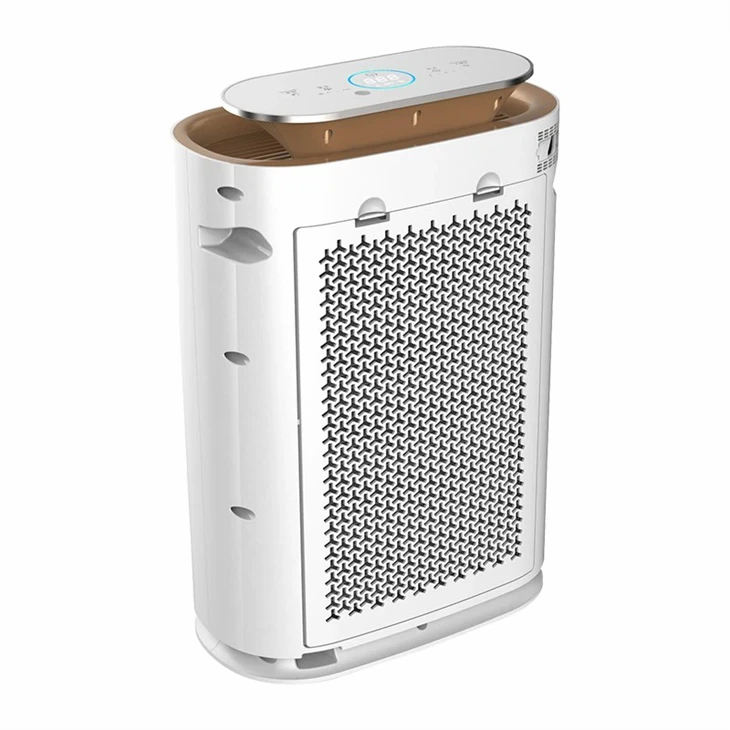
The Smart Room Air Disinfection Machine is an excellent choice for libraries. It is designed to be compact and easy to use, making it suitable for small to medium - sized library rooms. This machine uses a combination of HEPA filtration and UVGI technology to effectively clean and disinfect the air. It also has smart features, such as automatic operation and air quality monitoring, which make it convenient for library staff to manage.
Odor Removal Disinfection Machine
Libraries can sometimes have unpleasant odors, especially in areas with a high concentration of books or in spaces where food and drinks are allowed. The Odor Removal Disinfection Machine is specifically designed to eliminate odors while also disinfecting the air. It uses PCO technology to break down odor - causing molecules and kill microorganisms, leaving the air fresh and clean.
School Air Disinfection Machine
Since libraries are often part of educational institutions, the School Air Disinfection Machine is a great option. It is designed to meet the specific needs of educational environments, including large open spaces and high - traffic areas. This machine is powerful enough to handle the large volume of air in a library and can effectively reduce the spread of germs among students and staff.
Considerations When Using Air Disinfection Machines in Libraries
Placement
Proper placement of air disinfection machines is crucial for their effectiveness. Machines should be placed in areas with good air circulation, such as near ventilation ducts or in the center of the room. Avoid placing them behind furniture or in corners where air flow may be restricted.
Maintenance
Regular maintenance is essential to ensure the optimal performance of air disinfection machines. This includes cleaning or replacing filters, checking the UV lamps (if applicable), and calibrating the sensors. Library staff should follow the manufacturer's instructions for maintenance to ensure the machines are working properly.
Noise Level
Since libraries are quiet places, it is important to choose air disinfection machines with a low noise level. Some machines are designed to operate quietly, which will not disrupt the reading and study environment in the library.
Conclusion
In conclusion, air disinfection machines are a valuable addition to libraries. They can improve air quality, prevent the spread of diseases, preserve library materials, and enhance the user experience. As a supplier of air disinfection machines, we offer a range of products that are suitable for different library settings. If you are interested in purchasing air disinfection machines for your library, we encourage you to contact us for a consultation. Our team of experts can help you choose the right machine based on your specific needs and requirements.
References
- American Society of Heating, Refrigerating and Air - Conditioning Engineers (ASHRAE). (2022). ASHRAE Guidelines for Indoor Air Quality in Public Buildings.
- World Health Organization (WHO). (2020). Guidelines on Indoor Air Quality: Dampness and Mould.
- Centers for Disease Control and Prevention (CDC). (2021). Strategies for Preventing the Spread of Infectious Diseases in Public Spaces.


