


What are the environmental impacts of using a school air disinfection machine?
As a supplier of School Air Disinfection Machines, I've had numerous discussions with school administrators, teachers, and parents about the benefits and concerns of using these devices. While the primary goal is to create a safer and healthier learning environment by eliminating harmful pathogens, it's also crucial to understand the environmental impacts associated with their use. In this blog post, I'll delve into the various environmental aspects of school air disinfection machines, both positive and negative, to provide a comprehensive overview.
Positive Environmental Impacts
Reduction of Chemical Usage
Traditional disinfection methods often rely on chemical disinfectants, such as bleach and ammonia, which can be harmful to the environment. These chemicals can contaminate water sources, soil, and air when released into the environment. School air disinfection machines, on the other hand, use advanced technologies like ultraviolet (UV) light, photocatalytic oxidation (PCO), and electrostatic precipitation to disinfect the air without the need for harsh chemicals. This reduces the overall chemical footprint and minimizes the risk of environmental pollution.
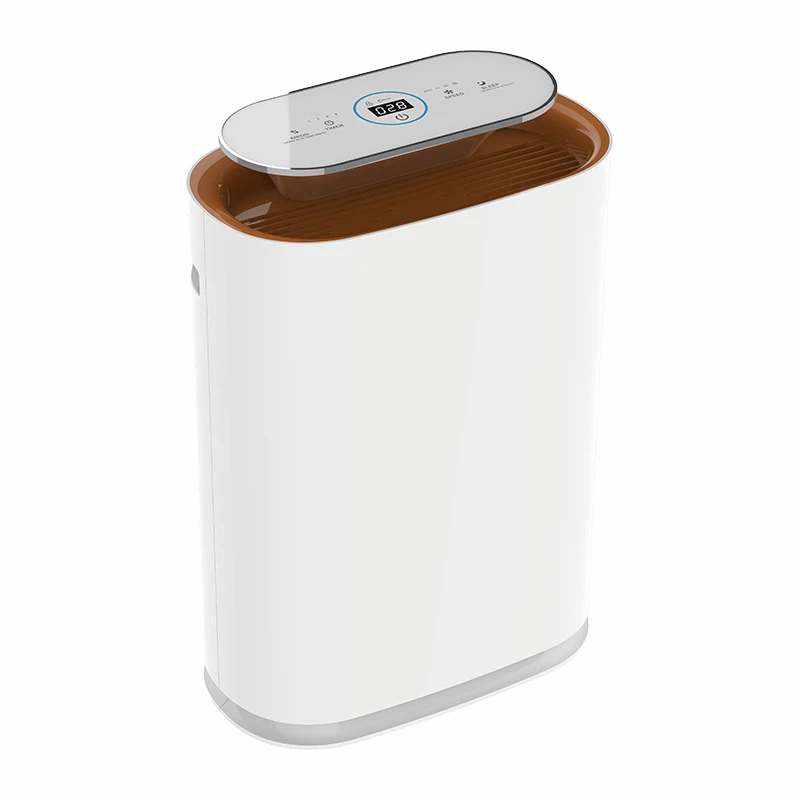
For example, our Smart Room Air Disinfection Machine utilizes UV-C light to destroy the DNA and RNA of microorganisms, effectively killing bacteria, viruses, and mold spores. This chemical-free approach not only protects the environment but also ensures the safety of students and staff by eliminating the potential health risks associated with chemical exposure.

Energy Efficiency
Many modern school air disinfection machines are designed with energy efficiency in mind. They use advanced sensors and intelligent control systems to optimize their operation, reducing energy consumption and minimizing their carbon footprint. For instance, some machines can automatically adjust their fan speed and disinfection intensity based on the air quality and occupancy of the room. This not only saves energy but also extends the lifespan of the machine, reducing the need for frequent replacements and further minimizing environmental impact.
Our High Efficiency Air Disinfection Machine is equipped with energy-saving features that make it an environmentally friendly choice. It uses a low-power consumption fan and a high-efficiency UV lamp to disinfect the air while consuming minimal energy. The intelligent control system continuously monitors the air quality and adjusts the operation of the machine accordingly, ensuring optimal performance with minimal energy usage.
Improved Indoor Air Quality
By removing harmful pollutants, allergens, and pathogens from the air, school air disinfection machines can significantly improve indoor air quality. This has a positive impact on the environment in several ways. Firstly, it reduces the need for ventilation, which can be energy-intensive. When the indoor air is clean and fresh, less outdoor air needs to be brought in to dilute the pollutants, resulting in lower energy consumption for heating, cooling, and ventilation.
Secondly, improved indoor air quality can also reduce the spread of airborne diseases, which can have a significant impact on the community. By preventing the spread of illnesses, school air disinfection machines can help reduce the use of antibiotics and other medications, which can have negative environmental impacts when they are released into the environment through wastewater.
Negative Environmental Impacts
Energy Consumption
While many school air disinfection machines are designed to be energy-efficient, they still consume electricity. The energy required to operate these machines contributes to greenhouse gas emissions, which are a major contributor to climate change. The amount of energy consumed depends on several factors, including the type of machine, its size, and the operating hours.
To minimize the energy consumption of school air disinfection machines, it's important to choose energy-efficient models and use them judiciously. Schools can also consider using renewable energy sources, such as solar panels, to power these machines, further reducing their carbon footprint.
Waste Generation
School air disinfection machines require regular maintenance and replacement of parts, such as filters and UV lamps. These parts eventually become waste and need to be disposed of properly. If not disposed of correctly, they can end up in landfills, where they can release harmful chemicals and pollutants into the environment.
To minimize waste generation, it's important to choose machines with long-lasting parts and to follow the manufacturer's recommendations for maintenance and replacement. Schools can also consider recycling the used parts whenever possible to reduce their environmental impact.
Noise Pollution
Some school air disinfection machines can produce noise during operation, which can be a nuisance to students and staff. Excessive noise can also have a negative impact on the environment, as it can disrupt the natural habitat of wildlife and affect the communication and behavior of animals.
To minimize noise pollution, it's important to choose machines with low noise levels and to install them in locations where the noise will not cause a significant disturbance. Schools can also consider using soundproofing materials to reduce the noise generated by these machines.
Mitigating the Environmental Impacts
To minimize the negative environmental impacts of using school air disinfection machines, several measures can be taken. Firstly, schools should choose energy-efficient models that are designed to consume less electricity. They can also consider using renewable energy sources, such as solar panels, to power these machines.
Secondly, schools should follow the manufacturer's recommendations for maintenance and replacement of parts to ensure the optimal performance of the machines and to minimize waste generation. They can also consider recycling the used parts whenever possible to reduce their environmental impact.
Thirdly, schools should choose machines with low noise levels and install them in locations where the noise will not cause a significant disturbance. They can also use soundproofing materials to reduce the noise generated by these machines.
Conclusion
School air disinfection machines can have both positive and negative environmental impacts. On the one hand, they can reduce the use of chemical disinfectants, improve indoor air quality, and save energy. On the other hand, they can consume electricity, generate waste, and produce noise. By choosing energy-efficient models, following the manufacturer's recommendations for maintenance and replacement, and taking measures to minimize noise pollution, schools can maximize the benefits of these machines while minimizing their environmental impact.
If you're interested in learning more about our School Air Disinfection Machine and how it can benefit your school, feel free to contact us for a consultation. We're committed to providing high-quality, environmentally friendly solutions that meet the needs of schools and educational institutions.
References
- American Society of Heating, Refrigerating and Air-Conditioning Engineers (ASHRAE). (2021). Position Document on Airborne Infectious Diseases.
- Centers for Disease Control and Prevention (CDC). (2021). Strategies for Maintaining Healthy Environments in Schools.
- World Health Organization (WHO). (2021). Guidelines for Indoor Air Quality: Selected Pollutants.


