


In today's world, where health and well - being are of utmost importance, the demand for clean and safe air has skyrocketed. As a supplier of Commercial Air Sanitizer Machine, I've witnessed firsthand the growing interest in air sanitization solutions. One of the most common questions I encounter is about the cost - effectiveness of using a commercial air sanitizer machine. In this blog, I'll delve into the various aspects of cost - effectiveness and explain why investing in such a machine can be a wise decision.
Understanding Cost - Effectiveness
Cost - effectiveness is not just about the initial purchase price. It encompasses a wide range of factors, including the long - term operational costs, the benefits provided, and the return on investment (ROI). When evaluating the cost - effectiveness of a commercial air sanitizer machine, we need to consider both the tangible and intangible benefits.
Tangible Benefits
- Healthcare Savings: A well - functioning air sanitizer machine can significantly reduce the spread of airborne pathogens such as viruses, bacteria, and fungi. In commercial settings like offices, hospitals, and schools, this can lead to fewer sick days among employees and students. According to a study by the Centers for Disease Control and Prevention (CDC), a decrease in the incidence of respiratory illnesses can result in substantial savings in healthcare costs. For example, in a large office building with a few hundred employees, even a 10% reduction in sick days can translate into thousands of dollars in saved productivity and medical expenses.
- Improved Productivity: Clean air has a direct impact on human performance. In a work environment, employees are more likely to be focused and efficient when breathing in fresh, sanitized air. A study published in the Journal of Environmental Research and Public Health found that indoor air quality improvements can increase cognitive function and productivity by up to 11%. This means that businesses can expect a boost in output and potentially higher revenues, which can offset the cost of the air sanitizer machine over time.
Intangible Benefits
- Enhanced Reputation: In today's health - conscious society, businesses that prioritize the well - being of their customers and employees are more likely to be viewed favorably. By installing a commercial air sanitizer machine, a company can demonstrate its commitment to providing a safe and healthy environment. This can lead to increased customer loyalty and a positive brand image, which are invaluable assets in the long run.
- Compliance with Regulations: Many industries are subject to strict air quality regulations. For example, healthcare facilities must adhere to standards set by organizations like the Occupational Safety and Health Administration (OSHA) and the Joint Commission. Using a commercial air sanitizer machine can help businesses meet these requirements and avoid costly fines and legal issues.
Factors Affecting the Cost of a Commercial Air Sanitizer Machine
- Initial Purchase Price: The cost of a commercial air sanitizer machine can vary widely depending on factors such as the size of the unit, the technology used, and the brand. Generally, larger machines with more advanced features will cost more. However, it's important to look beyond the initial price and consider the long - term value.
- Operational Costs: These include energy consumption, filter replacement, and maintenance. Some air sanitizer machines are more energy - efficient than others, which can result in significant savings over time. Additionally, the frequency of filter replacement can vary, and some machines use more expensive filters. Regular maintenance is also essential to ensure the machine operates at its optimal level, and the cost of maintenance should be factored into the overall cost - effectiveness analysis.
Comparing Different Types of Commercial Air Sanitizer Machines
- UV - Based Air Sanitizers: Ultraviolet (UV) light is a well - known disinfectant that can kill a wide range of pathogens. UV - based air sanitizer machines use UV lamps to irradiate the air as it passes through the unit. These machines are relatively energy - efficient and have low maintenance requirements. However, they may not be as effective at removing larger particles such as dust and pollen.
- HEPA Filter Air Purifiers: High - Efficiency Particulate Air (HEPA) filters are capable of capturing up to 99.97% of particles as small as 0.3 microns. HEPA filter air purifiers are excellent at removing dust, pollen, and other allergens from the air. However, the filters need to be replaced regularly, which can add to the operational costs.
- Ionizing Air Sanitizers: Ionizing air sanitizers work by releasing negatively charged ions into the air. These ions attach to positively charged particles such as dust, pollen, and bacteria, causing them to clump together and fall out of the air. Ionizing air sanitizers are often quiet and energy - efficient, but they may produce ozone as a by - product, which can be harmful in high concentrations.
Cost - Effectiveness in Different Commercial Settings
- Offices: In an office environment, a commercial air sanitizer machine can help create a healthy and productive workspace. By reducing the spread of germs, employees are less likely to get sick, which can lead to fewer absences and increased productivity. The initial investment in an air sanitizer machine can be recouped through savings in healthcare costs and improved work output.
- Hospitals: Hospitals are high - risk environments where the spread of infections can have serious consequences. A commercial air sanitizer machine can play a crucial role in preventing the transmission of airborne pathogens. The cost of such a machine is justified by the potential savings in treating hospital - acquired infections and the improved patient outcomes.
- Schools: Schools are crowded places where germs can spread quickly. Installing a commercial air sanitizer machine can help protect the health of students and teachers. It can also reduce the number of school closures due to illness, which is beneficial for both the education system and the local community.
Case Studies
Let's look at a couple of real - world examples to illustrate the cost - effectiveness of using a commercial air sanitizer machine.
- A Medium - Sized Office: A medium - sized office with 100 employees installed a commercial air sanitizer machine at a cost of $5,000. The machine had an annual energy cost of $200 and required filter replacement every six months at a cost of $100 per replacement. After one year, the number of sick days among employees decreased by 15%. Based on an average daily wage of $200 per employee, the company saved approximately $30,000 in lost productivity. In addition, the company's healthcare costs decreased by $5,000. The total savings of $35,000 far exceeded the initial investment and the annual operational costs.
- A Small Hospital: A small hospital with 50 beds installed a high - end commercial air sanitizer machine for $10,000. The machine had an annual energy cost of $300 and required regular maintenance at a cost of $500 per year. In the first year after installation, the number of hospital - acquired infections decreased by 20%. The hospital saved approximately $20,000 in treatment costs for these infections. The improved patient outcomes also led to an increase in patient satisfaction and a positive impact on the hospital's reputation.
Conclusion
In conclusion, the cost - effectiveness of using a commercial air sanitizer machine is clear. The tangible benefits such as healthcare savings and improved productivity, along with the intangible benefits like enhanced reputation and regulatory compliance, make it a worthwhile investment. While the initial purchase price and operational costs need to be considered, the long - term returns far outweigh the expenses.
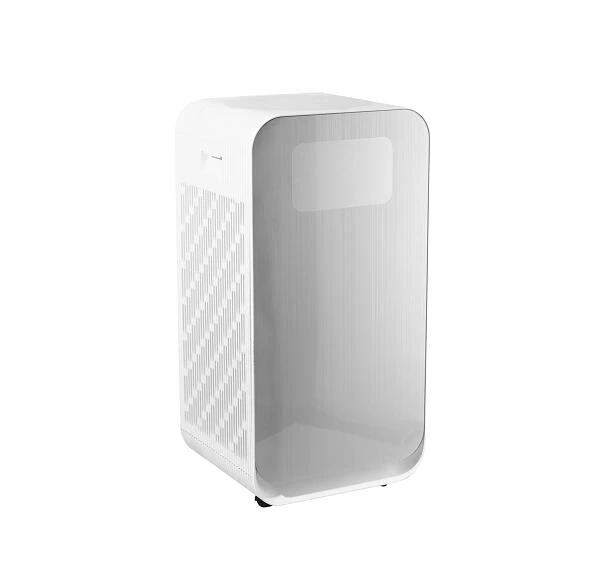

If you're considering purchasing a commercial air sanitizer machine for your business, we're here to help. We offer a wide range of Commercial Air Sanitizer Machines that are designed to meet the specific needs of different commercial settings. We also provide School Air Disinfection Machines for educational institutions and Formaldehyde Removal Air Purifiers for spaces where formaldehyde removal is a concern. Contact us today to discuss your requirements and find the most cost - effective solution for your air sanitization needs.
References
- Centers for Disease Control and Prevention (CDC). (20XX). Impact of Airborne Pathogen Control on Respiratory Illnesses.
- Journal of Environmental Research and Public Health. (20XX). Indoor Air Quality and Cognitive Function.
- Occupational Safety and Health Administration (OSHA). (20XX). Air Quality Standards for Healthcare Facilities.
- Joint Commission. (20XX). Guidelines for Air Sanitization in Healthcare Settings.


