Introduction
In today's post-pandemic era, indoor air quality has become a vital concern for both healthcare and industrial environments. Contaminated air can spread infectious diseases, compromise sterile areas, and reduce worker productivity. As a result, the Air Disinfection Machine has become an indispensable tool for maintaining hygiene, safety, and operational efficiency.
These machines employ advanced technologies-such as UV-C, HEPA filtration, plasma ionization, and photocatalytic oxidation-to eliminate airborne bacteria, viruses, and harmful particles. Their applications extend far beyond hospitals; they are now essential in pharmaceutical manufacturing, food processing, electronics production, and public facilities. This article explores the top applications of Air Disinfection Machines across healthcare and industrial sectors, highlighting their importance and performance benefits.
Critical Role of Air Disinfection in Healthcare
Hospital Operating Rooms and Intensive Care Units
In hospitals, air purity directly determines patient safety. Operating rooms and ICUs require sterile environments where airborne microorganisms must be kept to an absolute minimum. Air Disinfection Machines equipped with UV-C or HEPA systems continuously sterilize circulating air, removing pathogens such as Staphylococcus aureus and Pseudomonas aeruginosa.
By maintaining a high air exchange rate with controlled disinfection, these machines reduce the risk of surgical site infections and post-operative complications. Many hospitals now integrate disinfection systems directly into their HVAC ducts to ensure uninterrupted sterilization during operations.
Isolation Wards and Quarantine Facilities
Infection control areas like isolation wards and quarantine rooms must contain airborne pathogens without allowing them to spread to other hospital zones. Portable Air Disinfection Machines are ideal for this purpose, as they continuously sterilize air inside confined spaces and create negative pressure environments when needed.
Modern units include plasma ionization modules that deactivate viruses such as influenza, SARS-CoV-2, and tuberculosis bacteria, providing constant protection for patients and medical staff.
Laboratories and Diagnostic Centers
Clinical and research laboratories require precise contamination control to protect samples and ensure accurate results. Air Disinfection Machines help maintain sterile testing environments by filtering particulates and neutralizing airborne biological contaminants.
In molecular diagnostic centers, where airborne DNA fragments can cause cross-contamination, advanced disinfection systems with photocatalytic oxidation technology are especially valuable for preserving sample integrity and experiment reliability.
Pharmaceutical and Biotechnology Manufacturing
Cleanroom Environments
Pharmaceutical production facilities operate under strict GMP (Good Manufacturing Practice) standards that demand ultraclean air conditions. Any airborne contamination can compromise drug safety and product quality.
In these environments, Air Disinfection Machines maintain ISO-classified cleanroom standards by continuously sterilizing recirculated air. UV-C and HEPA combined systems effectively eliminate bacteria, spores, and viral particles while maintaining precise temperature and humidity levels.
Vaccine and Biological Product Facilities
Air disinfection plays a crucial role in vaccine and biopharmaceutical manufacturing, where sterility directly affects product efficacy. Plasma-based Air Disinfection Machines generate reactive ions that deactivate microorganisms without releasing harmful residues, making them ideal for sensitive biological production zones.
Their real-time disinfection ability reduces the risk of airborne cross-contamination during critical steps such as cell culture or filling operations.
Storage and Packaging Areas
Even after production, pharmaceutical products remain vulnerable to contamination during storage and packaging. Compact Air Disinfection Machines installed in warehouses ensure microbial control and prevent mold growth. This extends product shelf life and safeguards pharmaceutical integrity before distribution.
Food and Beverage Industry Applications
Food Processing and Packaging Plants
Airborne contamination in food processing areas can lead to spoilage, odor issues, and regulatory non-compliance. Air Disinfection Machines provide a non-chemical method of controlling bacteria, yeasts, and molds in food handling environments.
UV-C disinfection units are commonly installed above conveyor belts and in packaging zones to prevent contamination of ready-to-eat products. This helps maintain compliance with HACCP and ISO 22000 food safety standards.
Cold Storage and Refrigerated Warehouses
Cold environments slow microbial growth but do not completely eliminate it. Bacteria and mold can still proliferate on cold surfaces and air ducts. Installing Air Disinfection Machines in refrigerated warehouses ensures continuous sterilization even at low temperatures.
These systems improve hygiene, reduce spoilage losses, and help maintain product freshness throughout storage and distribution.
Beverage Production Lines
Beverage bottling plants face risks from yeast and mold spores that can survive in humid air. Plasma or photocatalytic Air Disinfection Machines neutralize these airborne contaminants without affecting the taste or quality of beverages. They provide a consistent barrier against microbial recontamination during filling and capping processes.
Electronics and Precision Manufacturing
Semiconductor and Microelectronics Workshops
Dust and microorganisms in the air can severely affect microchip yields. Semiconductor cleanrooms rely on Air Disinfection Machines to maintain ultra-low particle counts. UV-C and HEPA hybrid systems remove both biological and non-biological contaminants, protecting wafers from electrostatic and microbial damage.
Continuous disinfection also minimizes static charge buildup, enhancing precision manufacturing quality and reducing product defects.
Optical and Medical Device Manufacturing
Precision optical instruments and medical devices must be assembled in controlled environments free from microbial and particulate interference. Air Disinfection Machines maintain sterile air during assembly and packaging, ensuring product reliability and compliance with ISO 13485 medical manufacturing standards.
The technology supports industries producing lenses, surgical tools, and implantable devices by maintaining exceptional air cleanliness at every stage of production.
Public and Commercial Facility Applications
Office Buildings and Educational Institutions
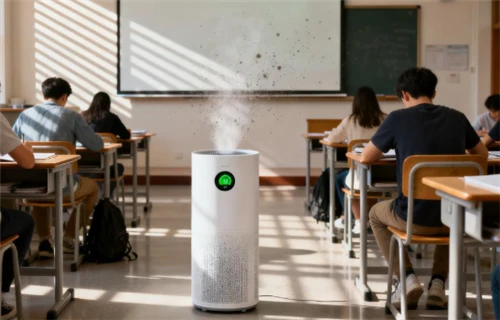
In high-occupancy spaces such as offices, schools, and universities, indoor air can accumulate pathogens and allergens, leading to frequent illnesses and absenteeism. Air Disinfection Machines create a healthier environment by reducing airborne viruses, especially during flu seasons or outbreaks.
Plasma systems are particularly effective for continuous, low-noise operation in occupied areas, improving both comfort and productivity.
Transportation Hubs and Airports
Airports, subways, and train stations experience heavy foot traffic and high microbial loads. Large-capacity Air Disinfection Machines installed in waiting areas, lounges, and ventilation systems continuously purify circulating air.
This not only enhances passenger safety but also reassures travelers by maintaining visibly clean and odor-free spaces.
Hospitality and Commercial Centers
Hotels, restaurants, and shopping malls increasingly adopt air disinfection technologies to enhance customer confidence and brand reputation. Integrated Air Disinfection Machines ensure odor-free, hygienic air while minimizing maintenance costs. Their modern designs blend seamlessly with interior aesthetics, offering both function and comfort.
Conclusion
The Air Disinfection Machine has evolved from a hospital-only device to a critical technology across multiple industries. From protecting patients in healthcare settings to maintaining hygiene in manufacturing plants and ensuring comfort in public facilities, these systems provide reliable defense against airborne threats.
Each application demands a tailored approach-UV-C for high-sterility zones, plasma for continuous air protection, and hybrid systems for comprehensive coverage.
As businesses and institutions continue to prioritize air safety, investing in the right Air Disinfection Machine ensures not just compliance and efficiency but also long-term protection for people, products, and processes.