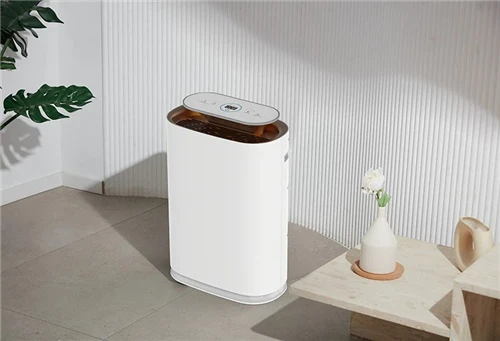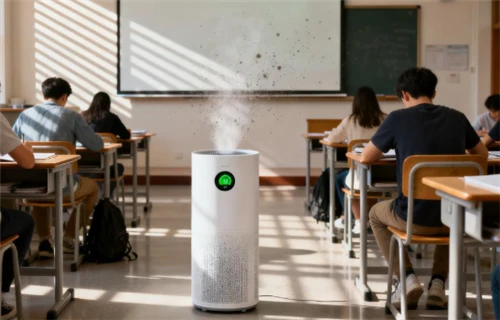
China has emerged as a global leader in the air purifier industry, driven by rapid urbanization, industrialization, and increasing concerns over air quality. The demand for efficient air purification solutions has led to the rise of several prominent manufacturers. This article provides an overview of the top commercial air purifier manufacturers in China, highlighting their key attributes and offerings.
The following table presents a comparative overview of the leading commercial air purifier manufacturers in China:
|
Rank |
Company Name |
Year Established |
Location |
Number of Employees |
Main Products |
|
1 |
Nair TENG (Jiangsu) Technology Co., Ltd. |
2008 |
Jiangsu Province |
Over 400 |
Commercial & Industrial Air Purifiers |
|
2 |
HOKO |
2005 |
Zhejiang Province |
Over 300 |
HEPA Air Purifiers, UV Sterilizers |
|
3 |
Olansi |
2009 |
Guangzhou |
Over 200 |
HEPA Air Purifiers, Negative Ion Purifiers |
|
4 |
Koneti |
2010 |
Jiangsu Province |
Over 150 |
Commercial Air Purifiers |
|
5 |
SOTO |
2012 |
Langfang, Hebei |
Over 180 |
Medical & Commercial Air Purifiers |
Company Profiles
1.Nair TENG (Jiangsu) Technology Co., Ltd. was founded in 2008 and is based in Jiangsu Province, employing over 400 staff members. The company focuses on commercial and industrial air purifiers, providing reliable solutions for a variety of indoor environments. Nair TENG emphasizes advanced filtration technologies, ensuring clean air and compliance with international quality standards.
2.HOKO, established in 2005 in Zhejiang Province with over 300 employees, specializes in HEPA air purifiers and UV sterilizers. The company serves both residential and commercial markets, emphasizing efficient removal of airborne particles and pathogens.
3.Olansi, founded in 2009 and located in Guangzhou, has over 200 staff members. The company produces HEPA and negative ion air purifiers designed to be environmentally friendly while offering high-quality purification performance for domestic and international markets.
4.Koneti, established in 2010 in Jiangsu Province with more than 150 employees, offers a variety of commercial air purifiers suitable for different industries. The company focuses on energy efficiency, cost-effective operation, and scalable solutions for business environments.
5.SOTO, founded in 2012 in Langfang, Hebei, employs over 180 staff members. SOTO specializes in medical and commercial air purifiers, ensuring high standards of air quality for healthcare facilities and other sensitive environments.
Understanding HEPA Standards
High-Efficiency Particulate Air (HEPA) filters are the core of any high-performance air purifier. HEPA filters are engineered to trap extremely fine particles, including:
- PM2.5 and PM0.3 particles: These are microscopic pollutants that can penetrate deep into the lungs and even enter the bloodstream.
- Pollen, dust, mold spores, and pet dander: HEPA filters capture allergens effectively, reducing allergic reactions in indoor environments.
- To be classified as a true HEPA filter, a filter must meet the following standards:
- Efficiency: Must remove at least 99.97% of airborne particles that are 0.3 microns in diameter.
- Construction: Made from randomly arranged fine fibers, usually fiberglass, to maximize particle capture without significantly restricting airflow.
- Airflow Resistance: Designed to allow sufficient airflow for effective room coverage while minimizing noise and energy consumption.
High-quality commercial air purifiers often combine HEPA filters with activated carbon layers to remove odors and volatile organic compounds (VOCs). Some models also incorporate UV-C sterilization or ionization for enhanced microbial reduction.
Key Performance Metrics
When evaluating commercial air purifiers, procurement professionals should consider:
- CADR (Clean Air Delivery Rate): Indicates the volume of filtered air delivered per hour. Higher CADR means faster air cleaning for larger spaces.
- Filter lifespan: HEPA filters typically last 6–12 months, depending on usage and environmental conditions. Some advanced systems provide filter change indicators.
- Energy efficiency: Look for Energy Star certification or low power consumption units to minimize operational costs.
- Noise levels: Important for offices, schools, and hospitals, where quiet operation is critical.
Applications of Commercial Air Purifiers
Commercial air purifiers are versatile and essential across multiple sectors:
- Healthcare Facilities: Hospitals, clinics, and laboratories require strict control of airborne contaminants. Air purifiers reduce bacterial load, improve patient safety, and complement HVAC systems.
- Educational Institutions: Schools and universities use air purifiers in classrooms, libraries, and dormitories to reduce exposure to dust, allergens, and infectious particles.
- Corporate Offices: Offices implement air purifiers to maintain employee well-being, reduce sick days, and boost productivity by providing a healthy work environment.
- Hospitality Industry: Hotels, restaurants, and conference centers use air purifiers to offer guests a clean, odor-free, and comfortable environment.
- Industrial and Manufacturing Settings: Factories and workshops employ air purifiers to comply with occupational safety standards, reducing exposure to dust, smoke, and VOCs, protecting both employees and sensitive equipment.
Considerations When Choosing an Air Purifier
Selecting the appropriate commercial air purifier requires careful assessment:
- Filter Type: Ensure HEPA or true HEPA filters are used. Multi-stage filtration provides additional benefits like odor removal.
- Coverage Area: Verify that the unit is rated for the size of the intended space. Oversized units may be costly and underperform, while undersized units may fail to clean effectively.
- Maintenance and Filter Replacement: Evaluate the ease of changing filters and the availability of replacement filters. Some manufacturers provide subscription services for regular filter delivery.
- Certifications and Standards: ISO 9001, CE, and RoHS certifications indicate product quality and regulatory compliance.
- Noise Levels: Consider dB ratings; some environments require ultra-quiet operation, especially in hospitals or classrooms.
- Integration with HVAC Systems: For large buildings, centralized or distributed systems may be more effective than standalone units.
Additional Tips for Commercial Use
- Regular Maintenance: Clean pre-filters monthly and replace HEPA filters according to the manufacturer's schedule.
- Monitor Air Quality: Some models include real-time air quality sensors to adjust purification levels automatically.
- Placement: Position units in high-traffic areas or near pollution sources for optimal performance.
- Energy Management: Run purifiers on low settings during off-hours to save energy while maintaining baseline air quality.
Conclusion
China's commercial air purifier manufacturers are driving innovation with advanced HEPA filtration, multi-stage systems, and integration with smart building technologies. Companies like Nair TENG (Jiangsu) Technology Co., Ltd., HOKO, Olansi, Koneti, and SOTO exemplify the industry's focus on quality, efficiency, and reliability.
When selecting a commercial air purifier, businesses and institutions should consider efficiency, CADR, coverage area, filter maintenance, noise levels, and relevant certifications. By choosing the right solution, organizations can ensure healthier indoor environments, reduce airborne contaminants, and create safer, more comfortable spaces for employees, students, patients, and guests.